Intro to Tempeh + Korean BBQ Tempeh Sandwiches

Sandwiches are pretty much the most important food of all time. I like my (vegan) sandwiches saucy, hearty, and flavorful, and for my money, there's no greater staple for my sandwich needs than tempeh. 
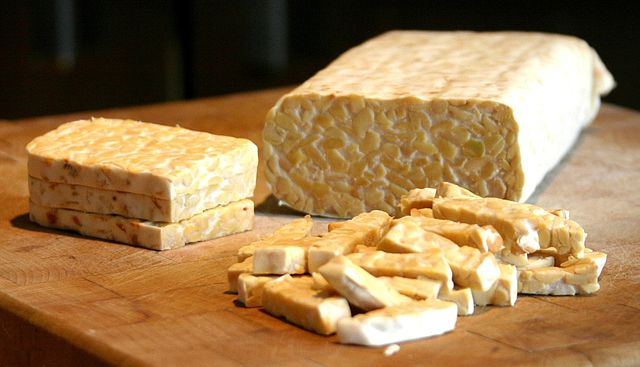
Because "fermented soy bean patty" sounds like it would be more at home on a chemical weapons treaty than your dinner table, allow me to explain the wonders of tempeh. It has a subtle nutty flavor and a delicate, crumbly texture that is perfect for soaking up marinade. It's chock full of protein and provides the numerous health benefits of unprocessed fermented foods. At about $3 for an 8-ounce package, it's an affordable, versatile protein choice.

Tempeh has become my protein of choice, and not just for sandwiches. Unlike tofu, it doesn't require the extra step of pressing the water out to ensure a toothsome texture, so I can get it on the dinner table in a variety of dishes with minimal prep time. Some people find tempeh bitter-- I think it's genetic, like aversion to that soap-leaf people put on Mexican food to make it gross. This problem is very easily remedied by steaming the tempeh in a steamer for 10 minutes before marinating. Here are some way I use tempeh: 

  • Cut into strips and put in a simple marinade of soy sauce, olive oil, lemon juice, and garlic powder, then pan-fried. These strips are great in pasta, wraps, rice bowls, you name it. 

  • Crumbled, steamed, then pan-fried with fennel, paprika, soy sauce, and lemon juice to make "sausage" crumbles. These are great in soup and really take advantage of tempeh's crumbly texture. 

  • Cut into strips and put in a smoky-sweet marinade, then pan-fried or broiled. These are amazing in vegan BLT's.

And now back to our regularly scheduled sandwich. These sandwiches are a fun, flavorful way to try out tempeh, with a satisfying mix of textures and flavors. This recipe makes four smaller, slider-like sandwiches, so if you want more sandwich (which you do), this recipe easily doubles. This recipe is adapted from Isa Chandra Moskowitz's fantastic book Isa Does It, and her blog Post Punk Kitchen, which I cannot recommend enough for people who want to try out creative weeknight (read: not three hours of peeling and chopping) vegan recipes.

Korean BBQ Tempeh Sandwiches

Ingredients

For the marinade: 

  • 1/4 cup molasses (not blackstrap)
  • 1/4 cup maple syrup
  • 1/4 cup soy sauce
  • 1/4 cup red wine vinegar
  • 2 tbsp. liquid smoke
  • 2 tps. toasted sesame oil
  • 2 tsp. sriracha
  • 1 tsp. onion powder
  • 1 tsp. garlic powder
  • 1/2 cup water

For the sandwiches:

  • 1 8-ounce package tempeh (any variety is fine, I prefer "original")
  • 1 tbsp. high-heat oil
  • 4 buns (you'll need something hearty to stand up to the sauciness)
  • 1 cup kimchi
  • 1 cup Mayo (vegan if you prefer)
FullSizeRender (14).jpg
  1. Whisk the marinade ingredients together in a shallow pan or bowl. 
  2. Cut the tempeh in half width-wise and then and then cut each block along the narrowest side (to open like a clam). 
  3. Set the tempeh in a single layer to marinate for for at least 30 min.
  4. Preheat the broiler and oil a 9x13 in. pan.
  5. Transfer the tempeh from the marinade pan, reserving the marinade, and broil for 3-4 minutes on each side, until lightly browned.
  6. Pour all marinade back into the pan and broil for 10-12 minutes, until the sauce looks thick and, well, like barbeque sauce. 
  7. Remove the tempeh from heat, spread mayo on buns, arrange tempeh, add kimchi, and spoon some extra barbeque sauce on the sandwich. Grab some extra napkins and dig in!


Squashing Fear of Squash: Mediterranean Squash Salad Wraps

SPRING. It's happening. Sort of. 

Last week 8 inches of snow hit the DC region and then a day later the sun came out, the temperature sooooared to a balmy 56°F, and I took great big strides around the apartment discussing how it was time to start bringing out sandals and dresses. Premature, I know. 

I don't really believe in Spring cleaning- I like to waltz into the warmer months feeling organized, all my ducks in a row. I reserve the last few cold weeks of the year for sorting through unread magazines, paying off straggling bills, and destroying evidence of money thrown into the bowels of the Target Corporation during fruitless attempts at cheering up in frigid weather. For the record this winter left me with: 5 grey sweatshirts, 15 pairs of socks, 3 bowls, 4 spatulas, 10 lip glosses- all same color... 

In other words, basic Spring cleaning activities but earlier and at a very slow, deliberate pace. The last of my winter purge is reserved for a vast stock of root vegetables acquired in December through late January. It's during this time of year that things get dim and I imagine myself a lonely homesteader on the Russian steppe- headscarf, all grey and taupe wardrobe, looking for inspiration in beets and potatoes.

I took inventory of my kitchen last week and realized that I tend to fall into a pattern. Every winter, without fail, I buy squash. Every year, I think that this will be the year that I master this mysterious, turtle shelled, indigenous vegetable. Every year, like clockwork, I put it on the counter and it stares at me. Day in, day out... Week in, week out... Month in, month out... After I purchase my first winter squash it's only a matter of time before a different, gorgeous variety tempts me. By February I have no less than 3 varieties of squash sitting there, side by side, watching me cook up every other kind of winter vegetable. The situation got so bad at one point that I found myself actually saying out loud to someone that "squash is only for decor, I don't even like how it tastes". What's the word for convincing yourself you dislike that which you do not understand? Yeah, that's me and squash. By March, warmer weather has arrived and I either throw the squash away or continue to watch it watching me... hoping one of us will just find a way to deal with the other. It's a tumultuous relationship.  

This year, while doing my pre-Spring cleaning, I decided that the status quo was going to change. I am in the possession of three types of squash and I vowed to learn how to cook, clean, and enjoy them. One of my New Year's resolutions was to cut out food waste and I am really trying to stick to it. If you share my irrational fear of squash, then you know it's gone on too long. Together, let's stop objectifying squash only for it's outside beauty and learn to feast on the substance within.  

Squashing Fear of Squash:

1. Consult this handy article to find out what kind of squash you purchased. 

2. Wash the outside of your squash with a brush or sponge. 

3. Cut the squash with a large, very sharp knife. Scoop out the insides.

4. Brush the inside with olive oil and roast cut side up in the oven for 30 min at 350°F until the skin is fork tender then peel/stuff the squash with your favorite mix of grains/meats/veggies.

OR

 This video tutorial is the best I've found with loads of super easy preparation tips for different varieties of squash. 

It's that easy. Seriously, four steps and you're ready to crack open and enjoy a vegetable that has been feared far too long. Squash is awesome because it's not super expensive, loaded with nutrients, and a great substitute for meat in dishes that call for something hearty. During the cold months it's great mashed and pureed into soups. Now that the weather is warmer and I'm craving lighter foods my favorite recipe has quickly become these Mediterranean inspired salad wraps. Easy to make and full of flavor they're great for lunch and dinner!

Mediterranean Squash Salad Wraps

Ingredients (makes 4 wraps)

  • 1 acorn/ butternut squash
  • 4 large pitas OR tortillas
  • schmear of hummus (optional)
  • 2 cups spinach leaves, roughly chopped
  • 3/4 cup orange/red bell peppers
  • 1/2 cup pickled beets, sliced
  • 1 small red onion sliced thin
  • 1/4 cup olives
  • 1/4 cup feta
  • 1/2 cup olive oil
  • 1/4 cup balsamic OR red wine vinegar
  • salt + pepper to taste

For Squash: 

  1. Preheat oven to 350°F. Cut your squash in half and scoop out the insides. 
  2. Bake, cut side up for 15 min. until the skin is fork tender and skin peels off easily. 
  3. Cut into cubes and place on baking sheet, drizzle with olive oil, s+p. Bake for 15 more minutes. 

While your squash is baking:

  1. Combine spinach, bell peppers, olives, beets, onion, feta in a bowl.
  2. Drizzle with olive oil, balsamic or red wine vinegar, s+p to taste.

Once the squash has finished baking and is fork tender, assemble the wraps by spreading hummus on your pita/tortilla, place the warm squash in the center, and add the salad on top. Fold the sides together or wrap like a burrito, enjoy!!

A Cake for Cooks: Yogurt + Olive Oil Blood Orange Cake

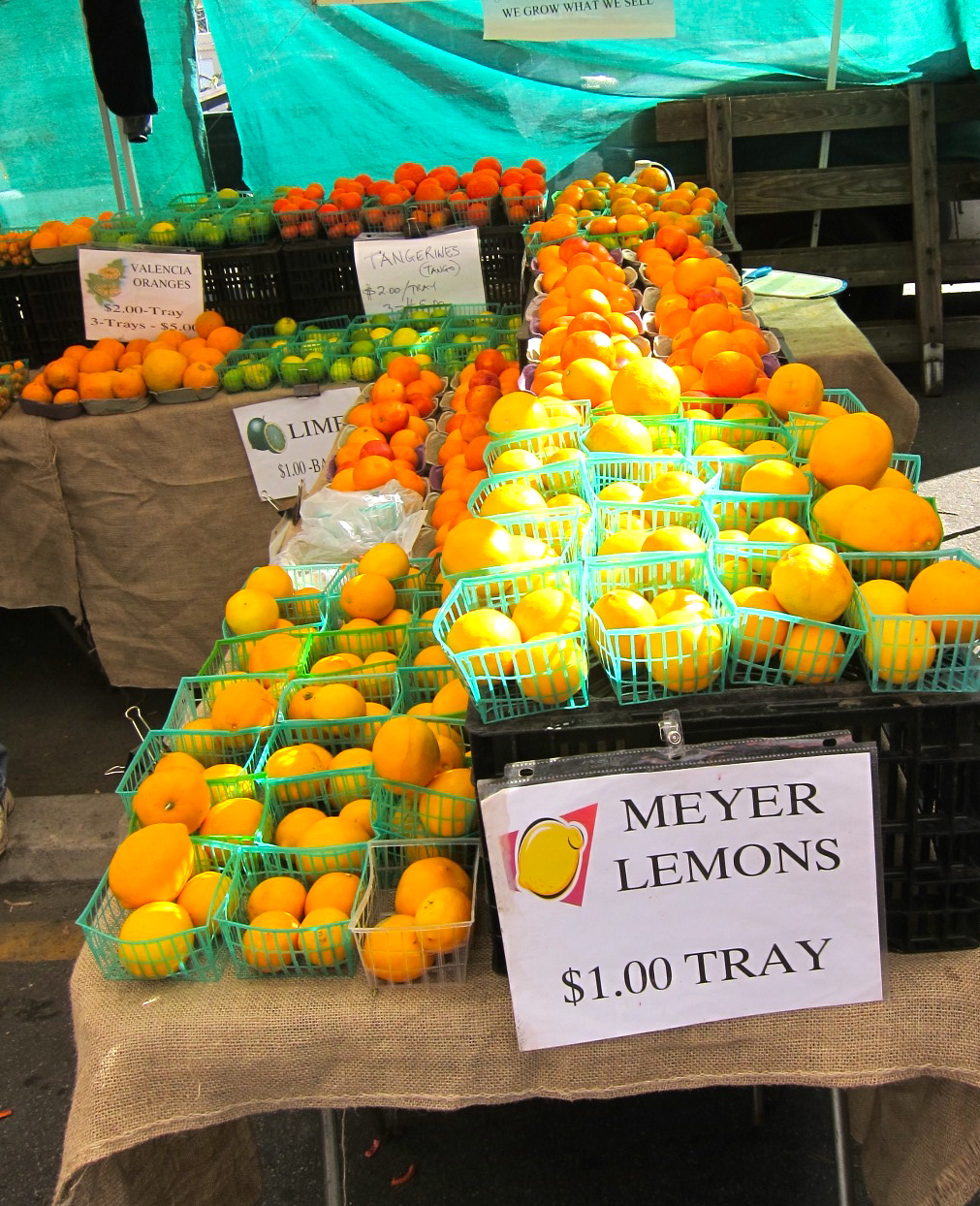
While many of you are snuggled up while the snow falls, the orchards of Florida and California are abuzz with the winter citrus harvest. When I lived in DC, I thought of citrus as my reward for suffering through winter and this was my justification for bi- weekly splurges on jewel-like citrus treats flown in from the lands of sunshine.

I began my hunt for Meyer lemons, blood and cara cara oranges, clementines, white grapefruit, and pomelos starting around the second week of December and would even venture out to the far reaches of Silver Spring to visit my favorite Korean supermarket in search of satsumas.

I yelped and turned around looking for someone to high five when I found blood oranges being sold by the bag in the Columbia Heights Giant three or four years ago. Although many of us use citrus year round without a second thought as to its season or availability, winter is peak citrus season and the best time to find ‘specialty’ citrus. 

Blood oranges are my personal favorite. They can look like regular oranges–hiding deep red, purple, or pink fruit beneath skin that only sometimes gives away its contents with blush spots. They brighten salads, mix beautifully with gin, and transform simple batters into elegant cakes.

Now that I live in San Diego, I am faced with an onslaught of citrus every time I go to the grocery store or farmer’s market. What more—it’s generally affordable! My beloved Mexican grocery store had blood oranges at 98 cents for two pounds last week!! No longer do I delicately hold each fruit in my hand feeling its weight to pick only a few dense, juicy fruit.  Now I buy 5 and 10 pound bags. I am a woman who has lost almost all self-control. I bring bowls of oranges and tangerines into work each week and beg my colleagues to help me eat them – they indulge me then bring me the pomelos and sweet limes they grow in their backyards! It’s a dream come true, but this bounty is due to expire any week now as the weather heats up and we say goodbye to cool, foggy mornings. Even in this citrus paradise, good things do not last forever.

I’ve made a blood orange cake for my birthday for the past six years and made a dozen more for dinner parties and brunches in that time. I’ve used Melissa Clark’s loaf cake recipe, riffed on Smitten Kitchen’s adapted formula, and branched out to try Saveur’s take with butter. In all of this experimentation, I found that my favorite cakes have more oranges, twice the recommended amount of vanilla extract, olive oil in place of butter, and Greek yogurt, so that’s what you’ll find in this recipe.

This is an unfussy cake. I think of it as a cake for cooks – it is elegant in its simplicity and you can riff on it and adapt it to the ingredients you have on hand. 

I make my husband a multi-tier birthday cake filled with butter every January and this uses up my will to bake fancy things. I make this cake for my birthday in February because it requires very little planning, creates few dirty dishes, and leaves me with little to no dessert-induced guilt. It also tastes great and pairs well with coffee at breakfast or tea in the afternoon. It’s better the second day and it peaks on day three. 

This is an unfussy cake. I think of it as a cake for cooks – it is elegant in its simplicity and you can riff on it and adapt it to the ingredients you have on hand. Enjoy!

Yogurt + Olive Oil Blood Orange Cake

Ingredients

  • 4 blood oranges
  • 1 1/2 cups full-fat Greek yogurt
  • 2/3 cup olive oil
  • 1 1/4 cup sugar
  • 3 eggs
  • 2 tsp. vanilla
  • 3 cups all purpose flour
  • 2 1/2 tsp. baking powder
  • 3/4 tsp. baking soda
  • 1/2 tsp. salt
  1. Heat the oven to 350°F. Grease a 9-inch springform pan lightly with baking spray, butter, or oil. Some recipes suggest that you line the pan with parchment, but I don’t bother.

  2. To supreme your oranges, cut off the bottoms and tops of the fruit so that it so that they can stand upright on a cutting board. Cut away their peels and piths by cutting along the curve of fruit. Cut the orange segments out of their membranes. Repeat with two of your other oranges. Break up the orange segments with your fingers as you cut them up and let them fall into a separate bowl. Don’t stress too much about cutting away all of the membrane that holds the segments together—just get what you can.

  3. Halve your remaining orange and squeeze juice from one half into a measuring cup. You will have about 1/8 cup or so of juice.

  4. Whisk together the juice, yogurt, olive oil, sugar, eggs, and vanilla.

  5. Add dry ingredients and whisk until there are no lumps.

  6. Fold in orange segments but do not over mix.

  7. Pour the batter into the cake pan and bake for 55 to 60 minutes or until a tester comes out clean. Let the cake cool for at least 10 minutes before removing it from the pan.